
Building Resilient Food Systems Through Shared Knowledge

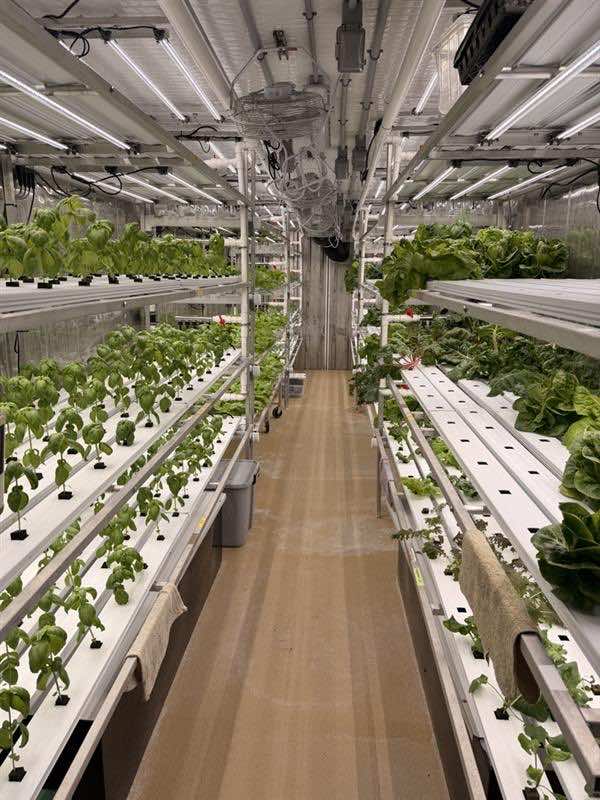
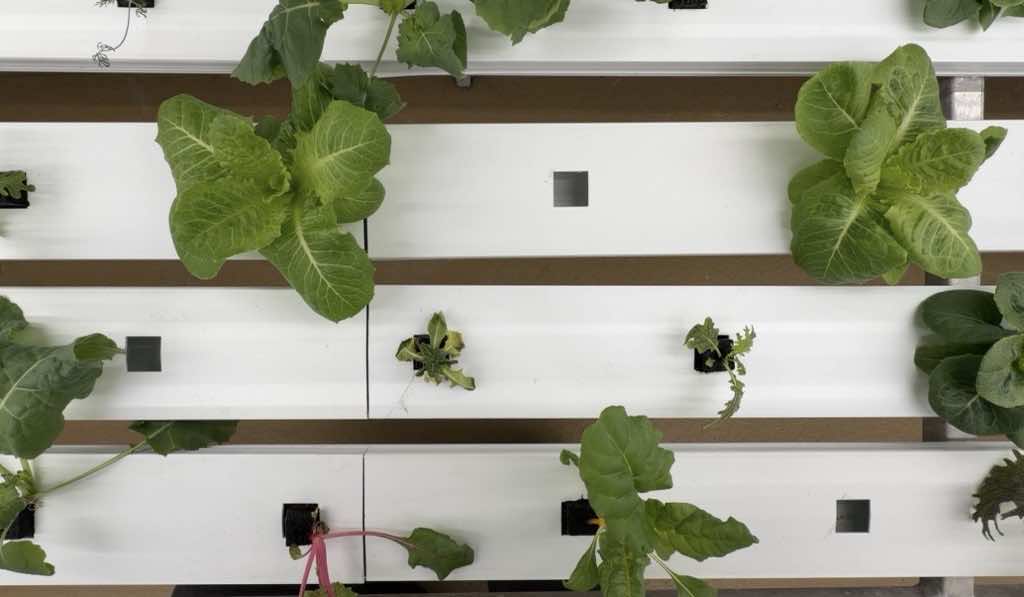
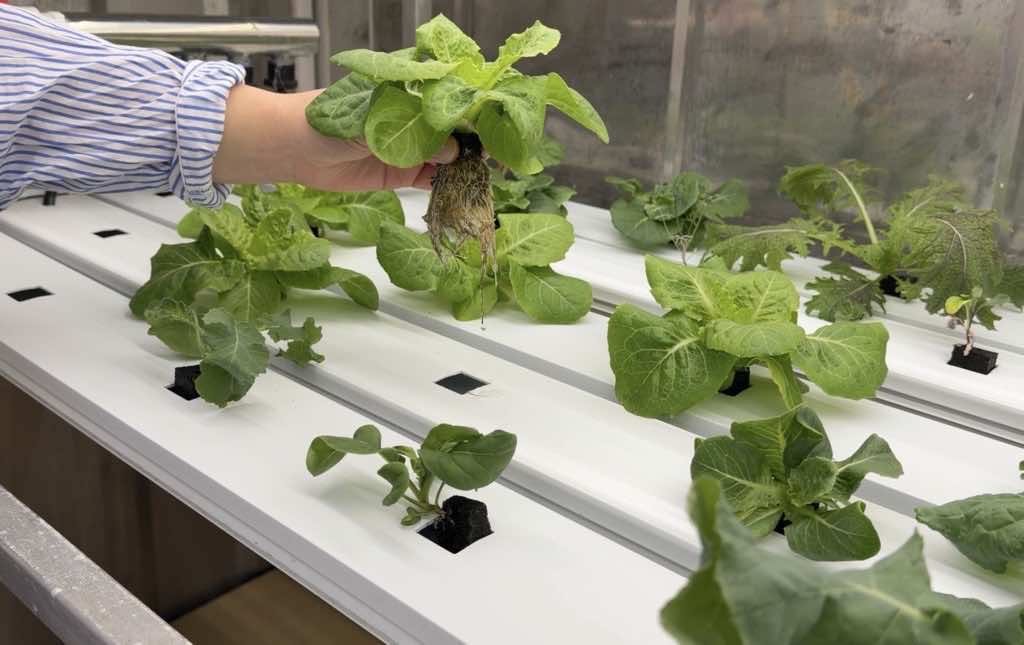
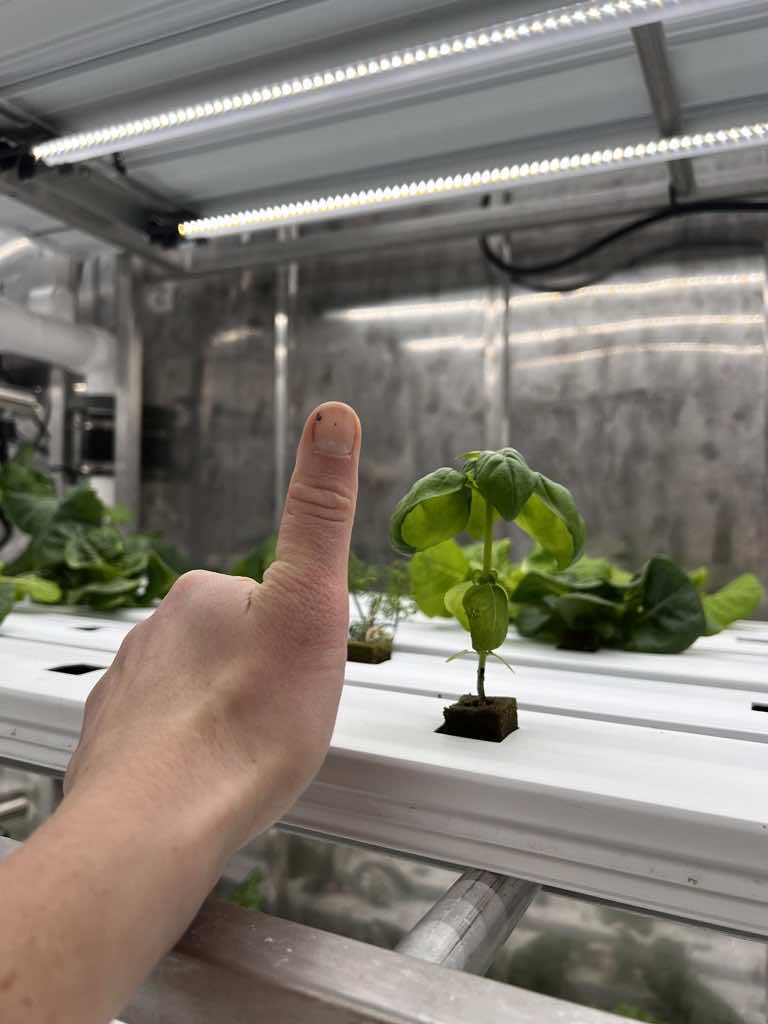
The gentle hum of fans and the sound of trickling water signal another day of growth at the Chugach Grown “CGS”, a hydroponic Conex unit in Seward, Alaska,as seedlings push steadily toward harvest. Beyond this daily rhythm of cultivation, the system also serves as a dynamic learning environment where operational experience and technical knowledge are continuously evolving. The connection of Chugach Regional Resources Commission (CRRC) to Kodiak Archipelago Leadership Institute (KALI) through the Alaska South Coast Partnership (ASCP) has played a key role in supporting the new operation by providing valuable training opportunities and technical insight. Through hands-on learning and cross-regional knowledge sharing, CRRC, along with operators of Chugach Grown and other sites, continues to build new skill sets that strengthen both individual capacity and overall program resilience. These efforts not only enhance system performance but also contribute to a growing network of practitioners equipped to implement and manage hydroponic systems in tribal environments across Alaska.
As this network expands, the value of cross-regional training becomes increasingly clear. Communities operating in similarly challenging climates have the opportunity to exchange practical solutions, from optimizing nutrient delivery systems to adapting infrastructure for seasonal variability. This collaborative approach accelerates problem-solving and reduces the learning curve for emerging operators, creating efficiencies that would be difficult to achieve in isolation. Just as importantly, it fosters a sense of shared purpose bylinking individual sites into a broader, interconnected food system that is both adaptive and resilient.
Knowledge sharing across regions also strengthens the foundation for locally driven food economies. By building capacity within communities to grow, manage, and distribute fresh produce, hydroponic systems support the development of small-scale, adaptive food suppliers that can respond to local demand. These systems are not designed to replace traditional food sources, but rather to complement them—filling gaps in availability, stabilizing supply, and increasing access to nutrient-dense foods. Over time, this contributes to more balanced and sustainable food system economies that are less vulnerable to external disruptions.
In the Southcoast region of Alaska, where transportation costs and supply chain uncertainties continue to shape food access, investing in shared knowledge and regional collaboration is as important as the infrastructure itself. The Chugach Grown hydroponic system demonstrates that when technical training is paired with community-centered learning, the result is more than increased production—it is a strengthened network of capable operators and resilient local economies. Through continued collaboration and skill-building within the ASCP, thesehydroponics systems are helping to redefine what food security can look like in remote and coastal communities.