
Who We Are

ASCP connects people and communities to share resources,
uplift local leadership, and grow regional collaboration.
Our Leadership Team

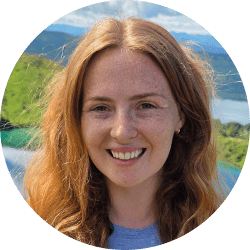
Danie Barnes

Cordova, AK
Jamie Foode
Community Catalyst
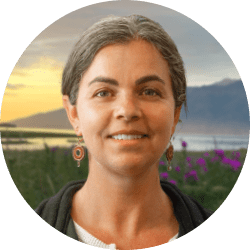
Willow
Hetrick-Price
Dorinda Kewan
Tanya King
Tyler Korenlis
Max Lyons

Lexa Meyer
Aaron Poe
Diane Selanoff
Kodiak, AK
Aaron Simeonoff
Carolyn Spencer
Steering Committee
Robbie Townsend Vennel
Glyn White
Our Strategic Partners

Our partnerships provide regional infrastructure, institutional capacity, and deep place-based expertise anchor our work.
Alaska Conservation Foundation (ACF)
Alaska Conservation Foundation (ACF) works statewide to protect Alaska’s unique landscapes and ways of life by supporting conservation leaders, organizations, and initiatives. ACF supports grassroots advocacy, leads climate change adaptation efforts, and strengthens Alaska’s conservation movement to help protect Alaska’s lands and waters for future generations.
Kodiak Archipelago Leadership Institute (KALI)
Kodiak Archipelago Leadership Institute (KALI) is a community-based nonprofit organization based in Kodiak, Alaska. KALI’s mission is to support the long-term sustainability of the region’s coastal communities of Alutiiq heritage by investing in sustainable communities through leadership, advocacy, and regenerative economies.
Kodiak Area Native Association (KANA)
Kodiak Area Native Association (KANA) is a 501(c)(3) nonprofit corporation formed in 1966 to serve the Alaska Native people of the Koniag Region, including the City of Kodiak and six outlying villages: Akhiok, Karluk, Larsen Bay, Old Harbor, Ouzinkie, and Port Lions. KANA offers healthcare and social services across the region and is dedicated to elevating the quality of life of the people they serve.
Chugach Regional Resources Commission (CRRC)
Chugach Regional Resources Commission (CRRC) is a community-based Alaska Native natural resource management organization and an inter-Tribal fish and wildlife commission serving the Chugach region. CRRC’s mission is to protect, rebuild, and conserve the Chugach environment and natural resources while promoting Tribal sovereignty and the protection of a subsistence lifestyle.
Our Structure

Community Catalysts – strengthen local resilience by working directly with communities to understand needs, elevate priorities, and advance on-the-ground projects that support long-term well-being.
grounding decisions in Indigenous leadership, supporting catalysts and the coordinator, and assuring the network’s effectiveness and accountability.
Catalyst Stories
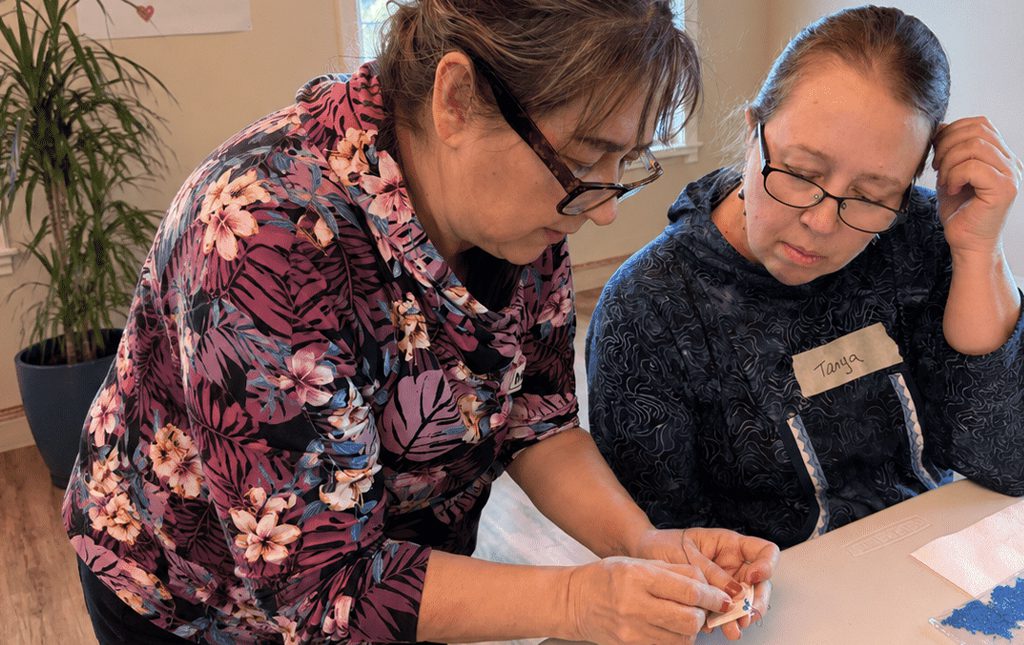
Passing Culture Forward Through Hands-On Arts
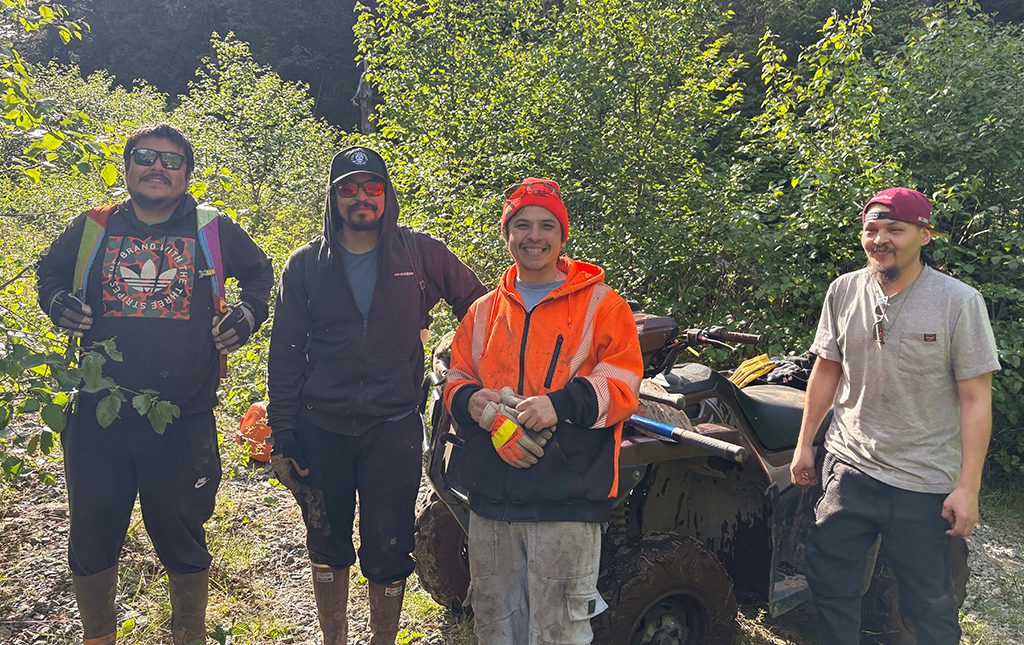
Community-Led Restoration Begins on the Koyuktolik Trail in Nanwalek
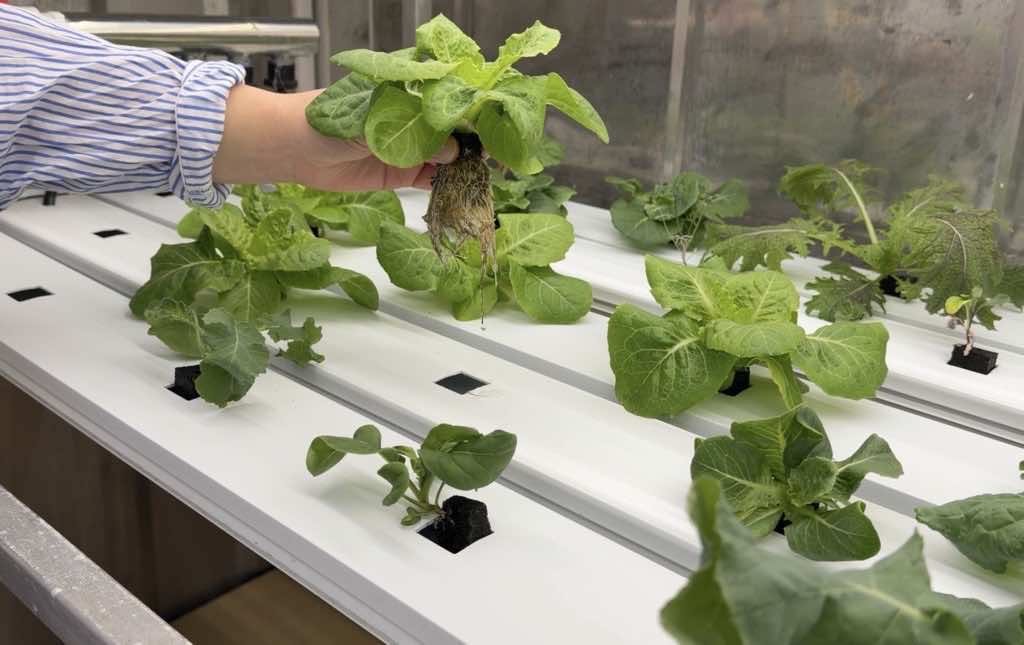
Building Resilient Food Systems Through Shared Knowledge
Kodiak, AK
Tyler Kornelis
Steering Committee
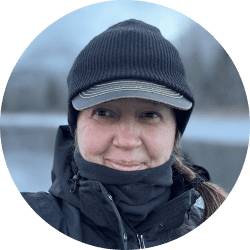
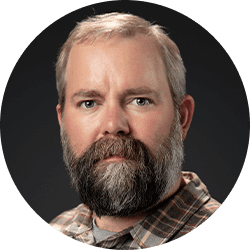
Tyler Kornelis serves as the Environmental Programs Director at the Kodiak Area Native Association, where he oversees a diverse portfolio that includes solid and hazardous waste management, water and air quality, food security, harmful algal bloom monitoring, emergency preparedness, and rural energy initiatives. His work focuses on supporting the unique needs of rural communities across the Kodiak Archipelago. Rather than positioning himself as a subject-matter expert in a single discipline, Tyler emphasizes his role as a connector—bringing people, ideas, and resources together through active listening, collaboration, and a commitment to practical, community-driven solutions.
Tyler has further strengthened his leadership and technical background through participation in the Arctic Remote Energy Network Academy (ARENA) and the National Renewable Energy Laboratory Energy Execs program. He also serves on the Board of Directors for the Kodiak Electric Association and is a founding director and member of the Kodiak Harvest Food Cooperative, reflecting his ongoing commitment to advancing sustainable energy and local food systems in the region.
Outside of his professional work, Tyler enjoys spending time outdoors with his family, particularly through hunting, fishing, and hiking. Much of this time is centered around their remote cabin in Hidden Basin at the head of Ugak Bay, which serves as a place to recharge and stay connected to the landscapes and communities that shape his work.
Kodiak, AK
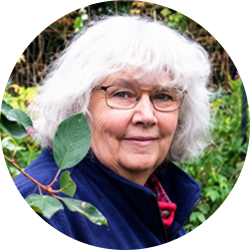
Robbie Townsend Vennel
Steering Committee
Kodiak, AK
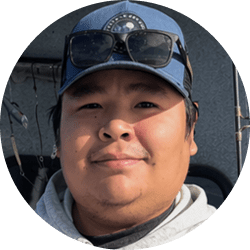
Aaron Simeonoff
Community Catalyst
Port Lions, AK
Dorinda Kewan
Steering Committee
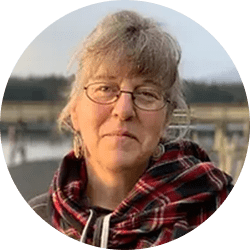
Dorinda Kewan came to Alaska with her parents and siblings as a little girl in 1968. She has strong family ties in Washington and spent her high school and college years there. After graduating from Washington State University with a bachelor’s degree in foreign language, she returned to Alaska in 1987 and settled in Port Lions, on Kodiak Island. Her husband and their four children are all of Alutiiq descent, as are their seven grandchildren.
Dorinda has a long-standing history of advocating and supporting her Port Lions community and the Kodiak region. She is an accomplished grant writer, and was employed by the Native Village of Port Lions for approximately twenty years in a variety of administrative positions.
She is a strong advocate of rural education, as demonstrated by her years of service to the Port Lions Advisory School Board and the Kodiak Island Borough School District Indian Education Act parent committee. She emphasizes the importance of investing in rural and Alaska Native education and was co-facilitator and author of the 2015 Kodiak Rural and Alaska Native Education Plan that was developed under the Kodiak Archipelago Leadership Institute (KALI).
Dorinda has served on the Port Lions City Council for a total of 13 years and has been Mayor of Port Lions since November of 2018. The Port Lions City Council oversees essential community infrastructure including water, sewer, landfill, small boat harbor, ferry dock, public safety facilities, and community library. She is very proud of the city’s partnership with the Native Village of Port Lions and the work both entities do toward sustaining a better future for their citizens.
Dorinda served on the Board of Directors for KALI, including the position of secretary-treasurer, until October of 2022 when she resigned from the board to become an employee. She was a project manager for KALI from 2022 until December of 2025 when she became KALI’s Executive Director.
In addition to her City of Port Lions and KALI duties, Dorinda currently serves on the Alaska Marine Highway Operations Board.
Anchorage, AK
Aaron Poe
Steering Committee
Alaska Conservation Foundation Vice President of Partnerships
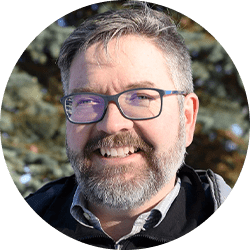
Aaron has worked in Alaska for over 27 years and is focused on building equitable partnerships between agencies, Tribes, Indigenous Organizations, nonprofits, academia, industry, and rural communities that address large-scale conservation and climate adaptation issues. He has worked for Alaska Conservation Foundation since 2018, where he helps provide and direct resources to 3 regional resilience efforts known as the Northern Latitudes Partnerships. He also serves on the Steering Committee for a fourth regional partnership that he helped found in 2024, called the Alaska South Coast Partnership in south central Alaska. He previously served for 5 years on the Steering Committee of the Sustainable Southeast Partnership and helped fund and launch a local, cold climate food security agriculture program, Alaska Resilience Farms. Prior to coming to ACF, he worked for 21 years in the federal government for the U.S. Fish and Wildlife Service and U.S. Forest Service, where he worked in wildlife biology, natural resource management, bioregional planning, and partnership development. He has B.S. degrees in Fisheries and Wildlife Management and Geography from Utah State University and a Master’s in Natural Resource Management from the University of Arizona. He is grateful to have lived on the lands of the Dena’ina people in Anchorage for 27 years and has recently relocated his family to his mom’s birth country of Ireland.
Anchorage, AK
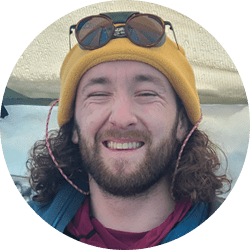
Isaac Pacor
Coordinator
Isaac joined CRRC as a coordinator of the Alaska South Coast Partnership (ASCP), a network of community leaders -guided by indigenous values- working together to support a holistic response to the resilience challenges and opportunities of the Alutiiq and Eyak homeland. In this role, Isaac helps bring people together to share knowledge, uplift local leadership, and implement community-driven solutions. What the ASCP looks like in each community varies, but the over-arching vision is to help foster an equitable and prosperous future rooted in reciprocity, wellbeing, and joy -a future where everyone’s gifts are shared and valued, ecosystems, culture, and economies flourish side by side, and mutual wellbeing is the norm.
Receiving a bachelor’s degree in sociology from Gonzaga University, with course concentration in environmental studies and organizational leadership, Isaac comes from an interdisciplinary educational background directly aligned with the ASCP. The community on Dena’ina Elnena and Dënéndeh land is home for Isaac, and he is delighted to be with CRRC and support the Chugach region.
Cordova, AK
Jamie Foode
Community Catalyst
Jamie Foode is from Cordova, Alaska. She is from a commercial fishing family and has participated in both commercial and subsistence fishing since 2004. Jamie holds a Bachelor of Arts in Rural Development from the University of Alaska Fairbanks (2021), and a Master of Legal Studies in Indigenous Peoples Law from the University of Oklahoma (2023). Since 2020 she has served as a member for the Alaska Department of Fish and Game Copper River/Prince William Sound Advisory Committee.
Jamie loves the Alaskan wilderness, enjoying hiking, hunting, foraging, fishing and backcountry snowboarding. She is a volunteer member of the Mt. Eyak Ski Patrol. She is of Sugpiaq descent, and an enrolled member of the Native Village of Eyak. She is very active in her culture and in the museum field, working to weave and steward Indigenous voices into historical stories that are too often focused only on the dominant culture.
Anchorage, AK
Willow
Hetrick-Price
Steering Committee
Willow Hetrick-Price is the Executive Director of CRRC. She is responsible for the nonprofit Inter-Tribal Fish and Wildlife Commission, which is involved in projects and programs related to natural resources, subsistence, climate change, environmental management and research, in addition to community economic development related to natural resources and the environment. She is also responsible for identifying funding sources and developing funding proposals with and on behalf of the Tribes of the Chugach region. Willow serves on the Board of the Prince William Sound Stewardship Foundation as Secretary and the Anchorage Advisory Committee to the Boards of Fish and Game as Secretary.
Willow has a bachelor of science degree in marine resource management (2006) with a certificate in aquaculture (2006) and a master of science degree in natural resources and environmental management (2009), both from the University of Hawaii at Manoa. She has a graduate certificate in environmental regulations and permitting (2018) from the University of Alaska Anchorage and a master’s of public administration with a focus on natural resources (2018) from the University of Alaska Southeast. She has 14 years of professional experience combined with a lifetime of local knowledge of Alaska’s natural resources and natural resource development history. Willow has experience collaborating on projects with stakeholders at the state, federal, public, and NGO level.
Anchorage, AK
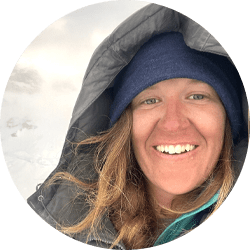
Carolyn Spencer
Steering Committee
Carolyn has a bachelor’s degree in environmental studies from Western State Colorado University in Gunnison. It was there that she learned to love rural landscapes in harsh climates, one day surviving a bone chilling bike ride to class in -17ºF temps! After graduating, she found herself working in a variety of sectors including Wilderness Therapy and Ski Patrol, before landing back in the environmental industry with the Forest Service. She has been a resident of Alaska since 2019 and began working for CRRC in 2026.
Valdez, AK
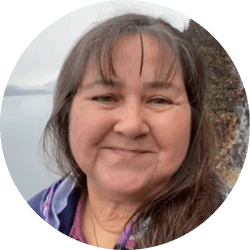
Diane Selanoff
Community Catalyst
Diane Selanoff was born in the coastal village of Port Graham, Alaska, and now calls Valdez home. As the ASC Community Catalyst, Diane works to strengthen community connections and celebrate the region’s cultural vitality. A proud Sugpiat cultural bearer, Diane shares ancestral knowledge through teaching traditional arts such as fur sewing, beading, and carving across a variety of organizations and community programs.
Passionate about preserving heritage and sustaining Indigenous practices, Diane is dedicated to keeping cultural traditions and subsistence practices alive for future generations.
Kodiak, AK
Danie Barnes
Regional Catalyst
Danie Barnes is the Kodiak Regional Resilience Catalyst through the Kodiak Area Native Association (KANA), working on the traditional homeland of the Alutiiq/Sugpiaq people. In this role, she collaborates with community catalysts in Kodiak villages and regional partners to advance community-led climate adaptation and resilience initiatives. Her work focuses on providing technical assistance, building local capacity for resilience projects, and supporting projects that reflect each community’s goals and long-term vision for a more resilient future. She is passionate about finding ways to holistically increase a community’s resilience- incorporating workforce and economic development, health and wellness, and environmental focuses.
Akhiok, AK
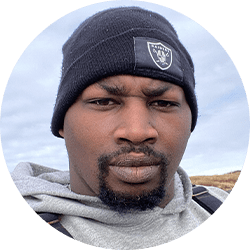
Glyn White
Community Catalyst
Hi my name is Glyndaril White everyone calls me Glyn. I was born and raised in Los Angeles for the past 20+ years I have been living in the village of Akhiok. Since I have lived in Akhiok I have been certified in water treatment and distribution. I am currently on the City and Akhiok school board council. I help with the fuel services for the City of Akhiok. I help out at the church when needed. I have been working for KANA as the Wellness Activity Coordinator for over a year now and now I am stepping into a new field to find ways to help this village that I live in, not just survive but thrive.
Kodiak, AK
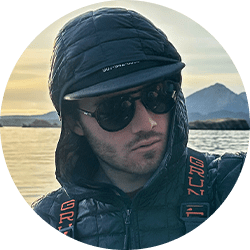
Max Lyons
Regional Catalyst
Max Lyons serves as Program Director at the Kodiak Archipelago Leadership Institute (KALI), where he leads initiatives in regional agriculture, native plant restoration, and mariculture development. His work centers on strengthening cross-sector partnerships and community-scale food systems across the Kodiak Archipelago, supporting local growers and harvesters while advancing long-term sustainability and regional resilience. He previously served as KALI’s Project and Marketing Coordinator, helping grow the Alutiiq Grown network and expand collaborative efforts in hydroponics, soil-based agriculture, mariculture, and local food distribution throughout the region. Max holds a bachelor’s degree in Environmental Science from St. John’s University and is completing a Master’s in Transformative Food Systems at Prescott College, integrating leadership and agroecology into his work across rural Alaska.
Anchorage, AK
Tanya King
Steering Committee
Tanya King is dedicated to building resilient Alaska communities, ensuring everyone has access to food, jobs, homes, and a sense of belonging. Tanya contributes a mix of legal and nonprofit perspectives, currently serving as the subsistence attorney for Association of Village Council Presidents and board president of the Alaska Food Policy Council, after spending 16 years specializing in strategic grantmaking and program-related investments at large philanthropic foundations. Tanya spends her free time exploring Alaska and the world with her husband and kids, and is always up for an early morning duck hunt, time on the water, or a snowy afternoon spent crafting.