
Community-Led Restoration Begins on the Koyuktolik Trail in Nanwalek
Catalyst Story by: Isaac Pacor

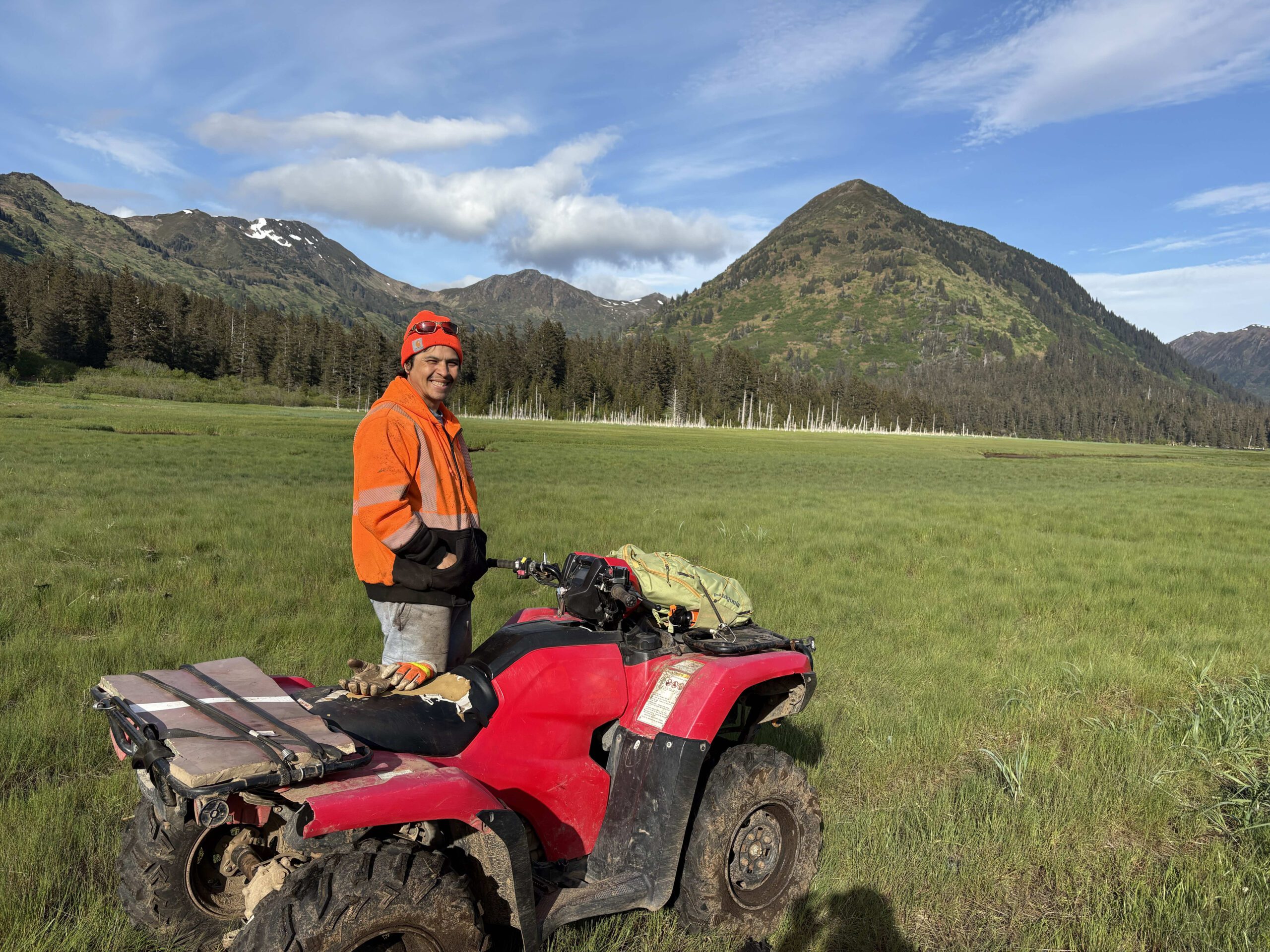
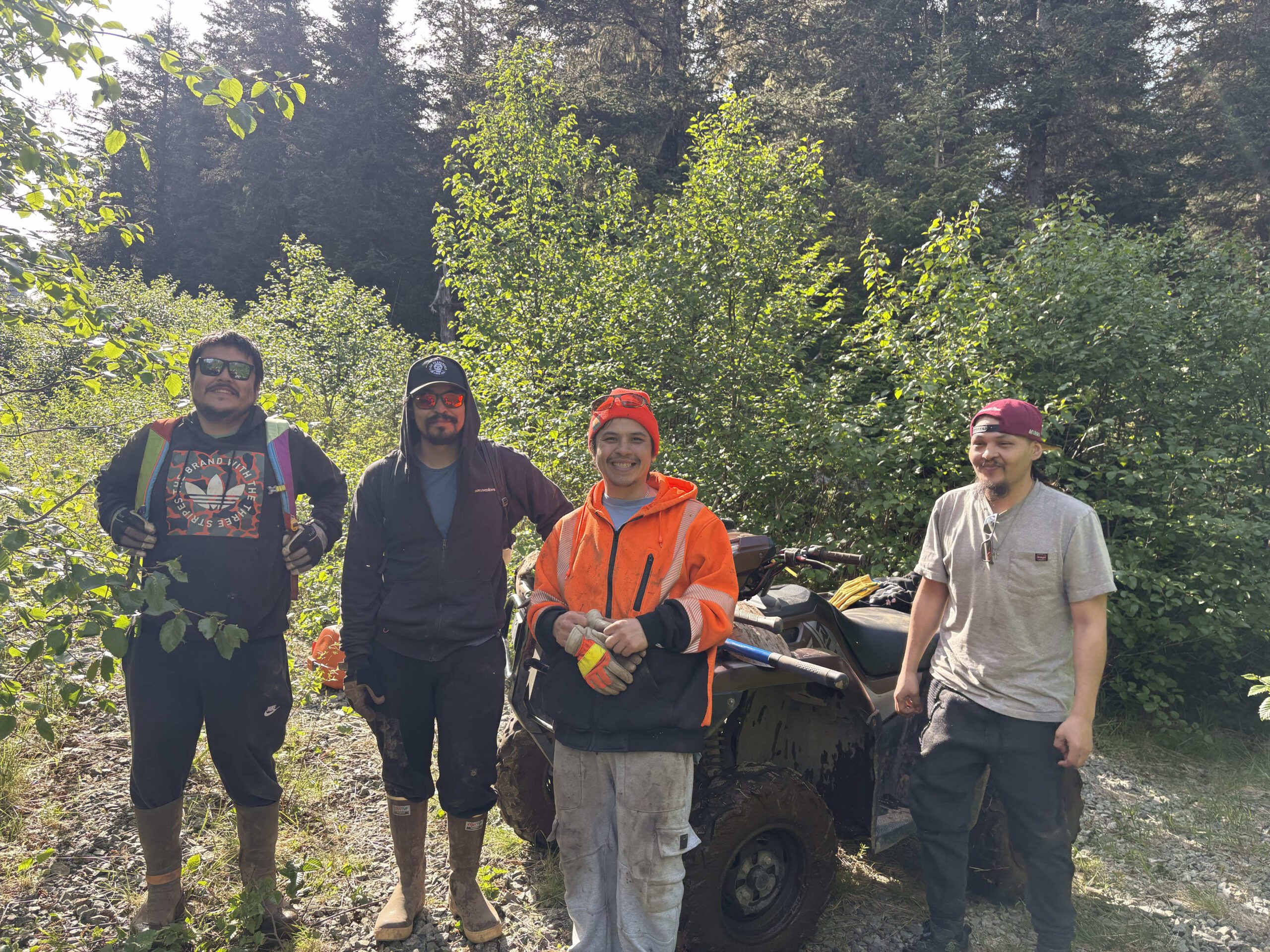
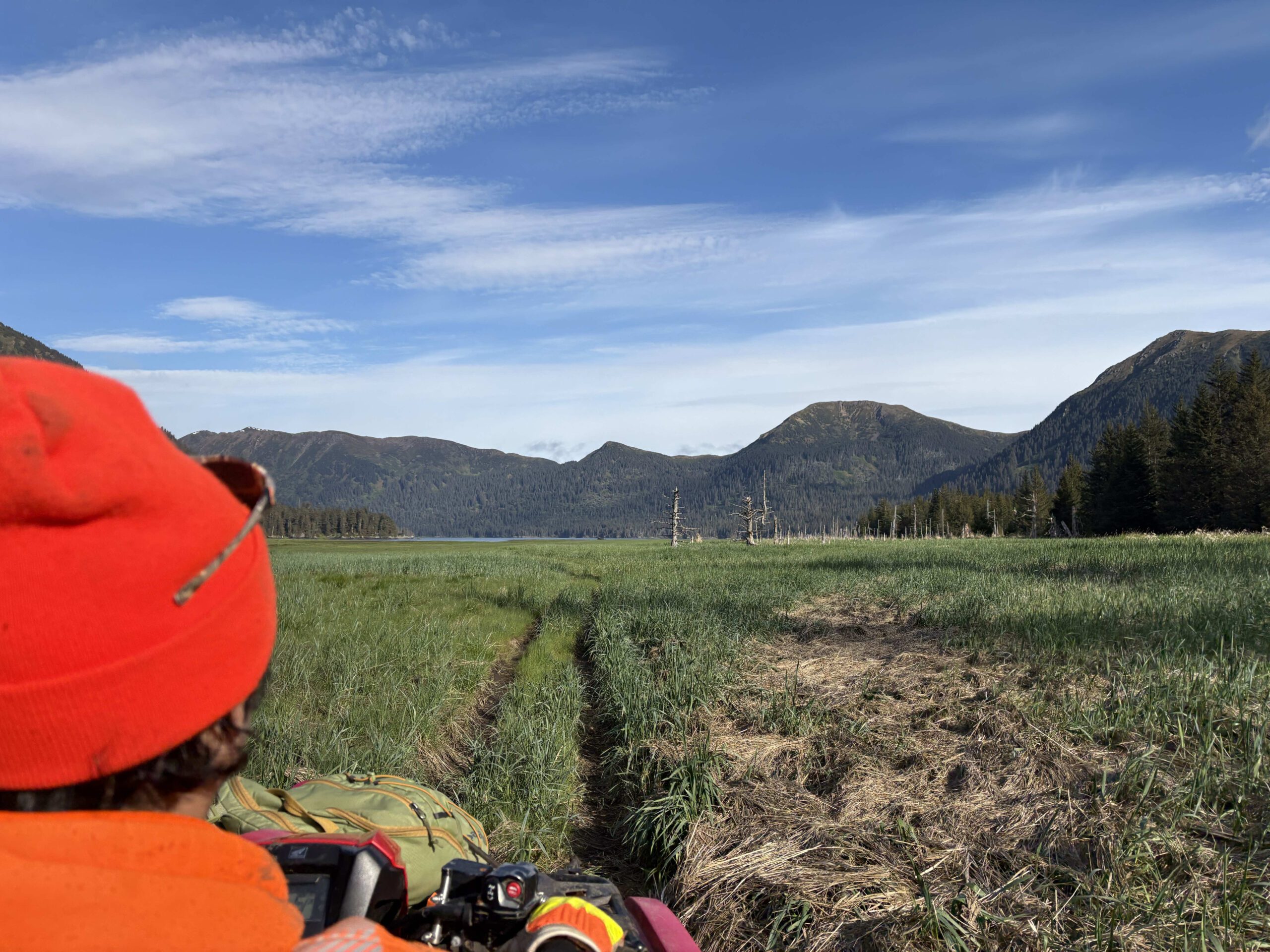
This week, community-led restoration work began in Nanwalek on the Koyuktolik Trail, formerly known as Dogfish Trail -a traditional route to Koyuktolik Bay, an area of deep cultural and subsistence importance for the community.
Led by Brian, Nanwalek’s Community Catalyst, and a local crew, the project focuses on restoring safer access along the route by clearing overgrown brush, repairing washed-out areas, and reopening culverts that have been damaged or blocked over time. The work will help make the trail more passable for Elders, families, youth, and other community members who rely on access to this important place.
Koyuktolik Bay is more than a destination. It is a former village site, a subsistence area, and a place where community members have envisioned future opportunities for cultural teaching, gathering, and resilience-building. Restoring the route will support continued access for harvesting and time on the land, while also opening the door for additional community-led activities such as culture camps, susbsitence education, regenerative agriculture and mariculture, and other initiatives identified by Nanwalek residents.
The project also supports local environmental stewardship. When trails become overgrown, washed out, or difficult to follow, people may be forced to create alternate paths around damaged areas, which can widen the trail corridor, trample vegetation, disturb soils, and increase erosion. By restoring a clear, usable route, the project helps keep people on the established trail and reduce impacts to surrounding plants, wetlands, and sensitive habitat.
Culvert repair and drainage work are also important for the health of local ecosystems. In Alaska, damaged, undersized, or blocked culverts can disrupt natural stream flow, contribute to erosion and sedimentation, and limit movement through connected stream corridors. Fish passage restoration projects across Alaska have shown that improving culverts and stream crossings can reconnect habitat, support salmon and other fish species, and help maintainhealthier waterways.
The first phase of work is focused on practical improvements: clearing priority trail sections, improving drainage, maintaining existing culverts, addressing minor washouts, and documenting future restoration needs. The project is using local knowledge, local labor, and small-scale tools and equipment to improve access while caring for the surrounding ecosystem.
For the Alaska South Coast Partnership, the Koyuktolik Trail restoration reflects what community resilience looks like in practice: local leadership, cultural continuity, subsistence access, ecosystem care, and long-term stewardship of places that matter.
As Brian and the crew continue their work, the project stands as an example of how community-driven restoration can strengthen connection to place, reduce environmental impacts, and support future generations in Nanwalek.